

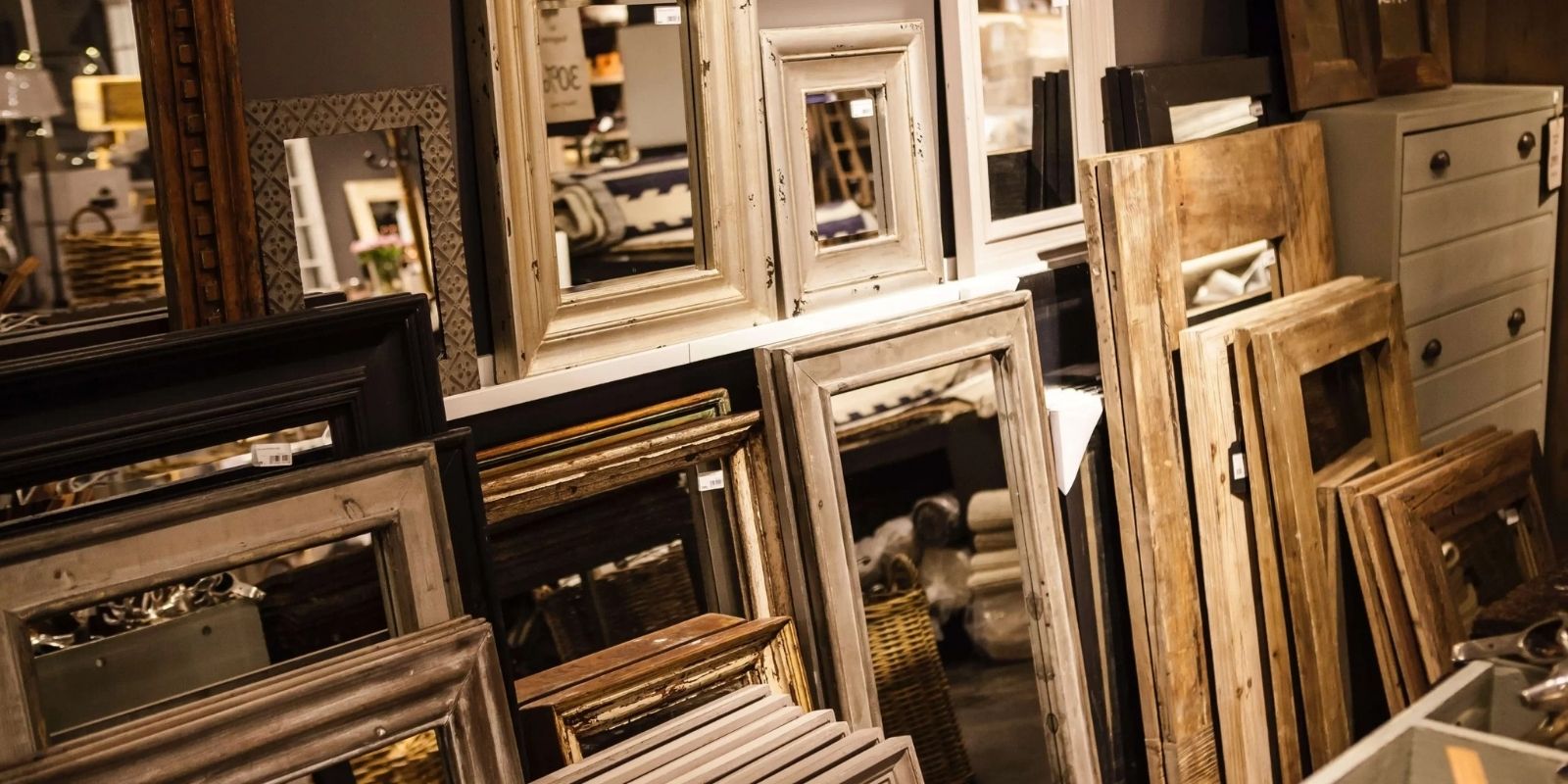
When it comes to making a decision about the fate of a family heirloom or a wooden artifact, almost every owner faces the dilemma of restoration versus refinishing. Despite common usage of the terms interchangeably, these two approaches are fundamentally different and carry a major impact on the future value and history of the item.
Defining the Concepts
When explaining the core peculiarities of restoration and refinishing, one should first and foremost distinguish the two by their underlying philosophy and execution.
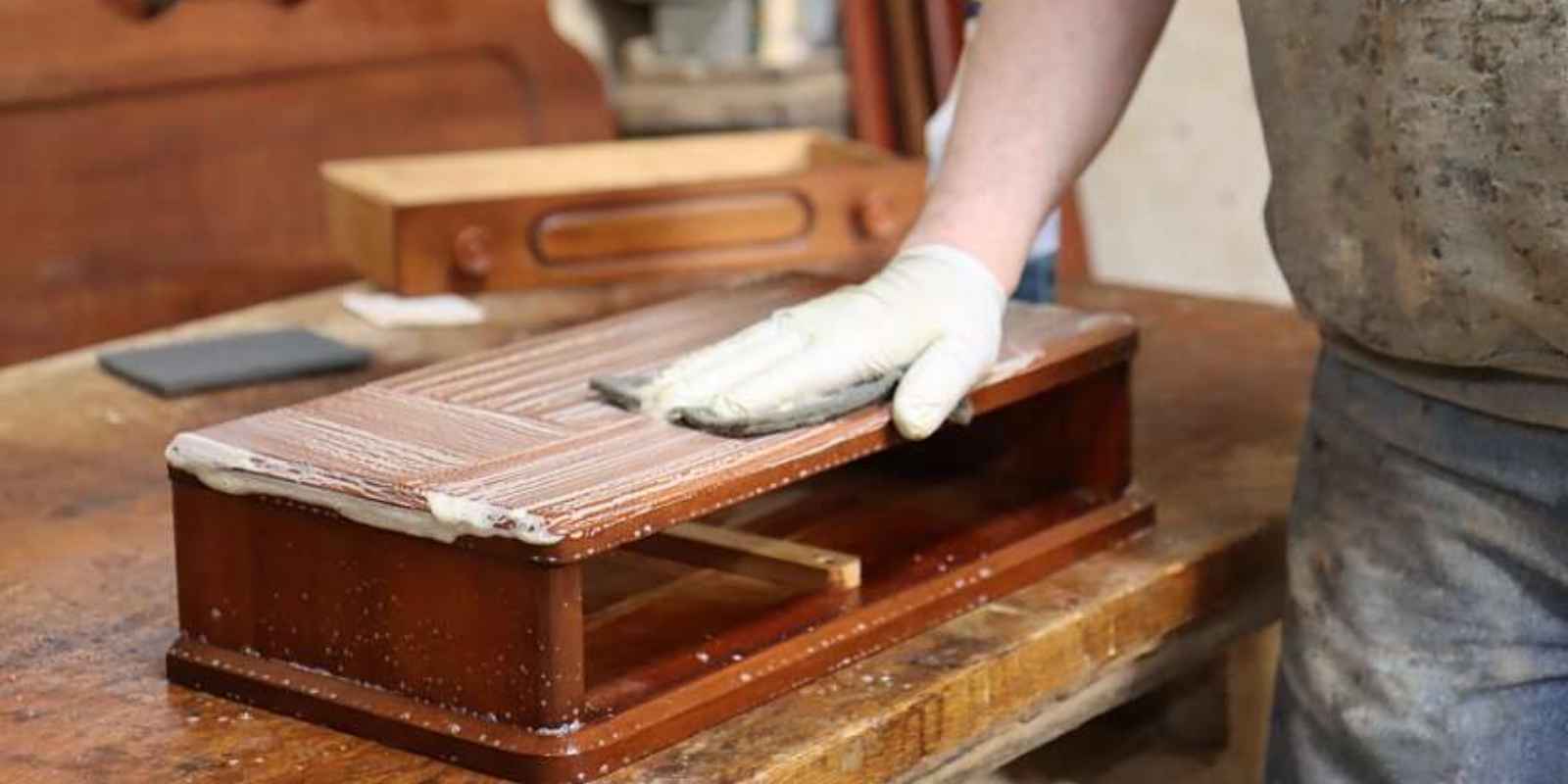
- Restoration: As the process of returning an object to its original state, restoration implies using minimal intervention. It is conducted to preserve the piece’s historical value, integrity, and authenticity. A skilled restorer will mend broken veneers, stabilize loose joints, and remove accumulated wax, grime, or old polish. The key guiding principle is leaving the item as close to its initial physical state as possible.
- Refinishing: Refinishing means stripping the wood of its previous finish, sanding the surface, staining it, and applying a completely new protective topcoat of lacquer or polyurethane. The essential difference is that refinishing seeks to erase the wood’s history to make it look brand new.
The Main Operational Differences
The contrast between restoration and refinishing can be categorized across four key criteria:
- Preservation vs. Replacement: Restoration preserves the initial finish and aged surface, whereas refinishing requires their complete removal.
- Impact on Market Value: Restoration sustains or enhances the worth of an original piece, while refinishing can diminish an antique’s value by 80% to 90%.
- Reversibility: Restoration techniques are designed to be reversible, whereas refinishing causes permanent physical changes to the wood.
- Application Areas: Restoration is essential for valuable, rare, or historic antiques, whereas refinishing is appropriate for common, mass-produced, or severely damaged modern furniture.
Why Refinishing Is Less Valuable for Collectors
Appraisal companies charge more for restoring antiques and virtually refuse to refinish high-value items due to two core concepts in conservation: patina and reversibility.
The Value of Genuine Patina
Patina refers to the unique color, depth, and character that appear on the surface of wood over decades due to natural oxidation and exposure to sunlight, air, and human touch.
Among collectors and appraisers, the value of genuine patina is immeasurable. Stripping it deprives the owner of the piece’s history and uniqueness, resulting in a considerable loss of monetary value.
Rule of Thumb: The older the antique and the more authentic its patina, the more valuable the piece is. An antique desk in its original 19th-century finish will always command far greater market value than the same piece sanded down and coated in modern polyurethane.
The Principle of Reversibility
In professional conservation, any intervention made to an artifact should be reversible. Traditional materials used in restoration—such as spirit-based shellacs, hide glues, and natural waxes—can be safely dissolved and removed by future conservators without harming the underlying wood.
Refinishers, by contrast, rely on aggressive chemical strippers and sanding machines to eliminate old coatings and level the timber. Because power sanding permanently removes historic wood fibers, refinishing is completely irreversible.
Who Should Choose What: Restoration or Refinishing?
When deciding how to handle your furniture, follow these three practical evaluation steps:
1.1. Assess General Age and Provenance:Provenance Check.
Examine the furniture for manufacturer’s labels, stamps, hand-carved details, or joinery that suggest its age and origin. If the piece is a genuine antique or a cherished family heirloom, avoid refinishing, as stripping will considerably diminish its value. If unsure, consult a professional appraiser.
2.2. Evaluate the State of the Finish:Surface Diagnosis.
Inspect the surface closely to determine if it is truly ruined or merely dirty, dry, and cracked. In many cases, aged wax, dirt, and oxidation products are mistaken for irreparable blemishes when they can actually be cleaned off safely.
3.3. Clarify Your Personal Goals:Goal Alignment.
If you want to preserve historical value, honor provenance, or maintain a valuable investment, restoration is the correct path. If you have an inexpensive thrift-store piece and simply want a durable surface for daily household utility, refinishing is a practical choice.
Practical Examples
Examining real-world cases helps demonstrate how these principles apply in practice:
Case A: A 19th-Century Family Heirloom
Imagine receiving an 1880s dark oak roll-top desk with a loose track and surface scratches around the keyholes. The wood underneath the worn finish remains sound.
- The Right Approach: Restoration. A professional conservator will re-glue the track with traditional hide glue and carefully clean off accumulated wax and dirt. Revealing the original shellac keeps the family heirloom beautiful, authentic, and historically valuable.
Case B: A Factory-Made Utility Table
Consider a 1970s pine kitchen table acquired from a thrift shop with water rings, food stains, and peeling synthetic varnish.
- The Right Approach: Refinishing. Because the table is mass-produced and lacks antique rarity, attempting historical restoration is unnecessary. Stripping the damaged topcoat, staining the bare wood, and sealing it with durable polyurethane extends its life as a functional piece for daily family use.
Final Notes: What Is More Important for You?
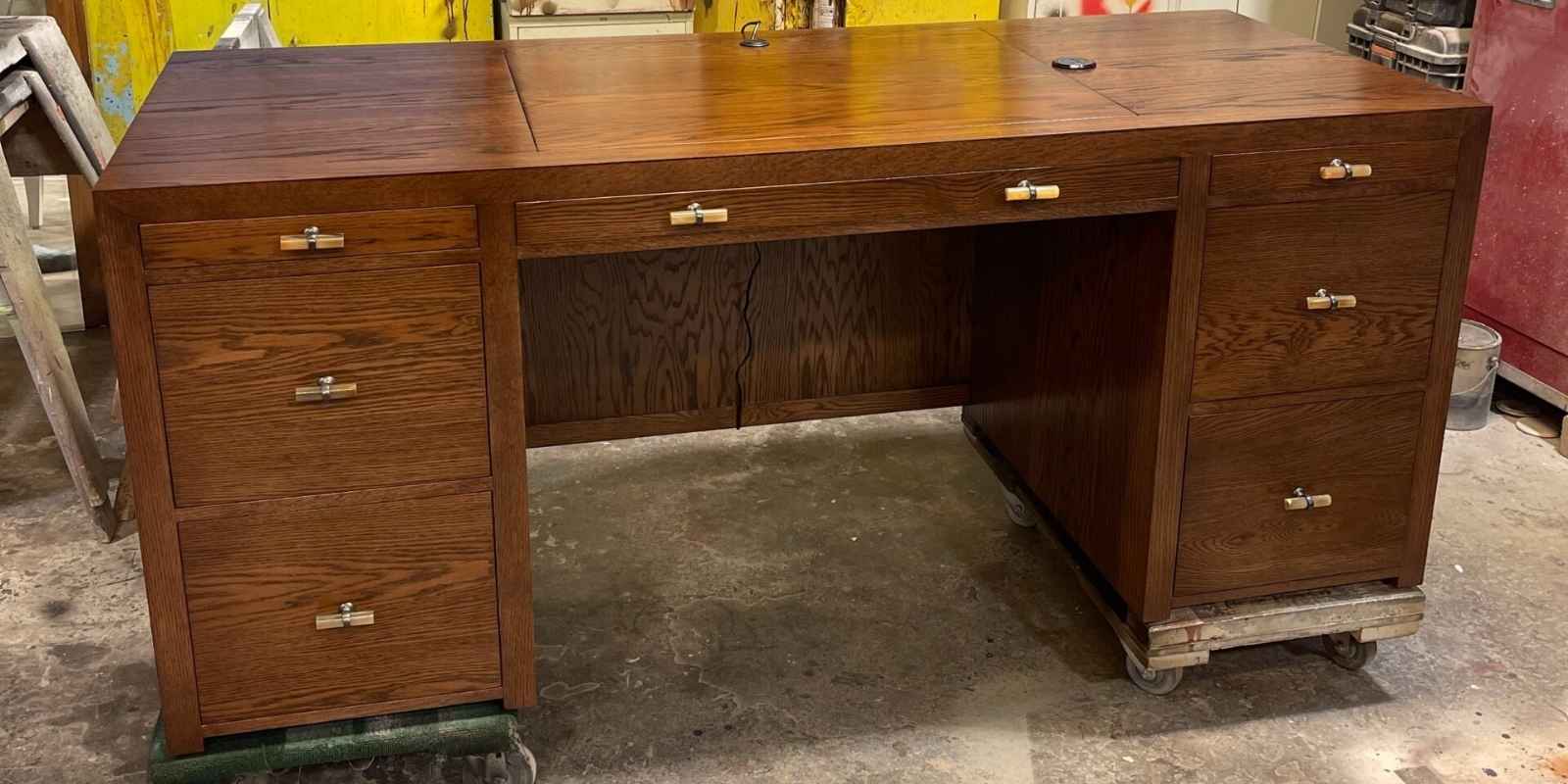
Restoration and refinishing differ fundamentally in technique, philosophy, and outcome. Restoration is a sophisticated, non-invasive process designed to fix an item while safeguarding its history and patina. Refinishing can give a second life to ordinary or heavily damaged modern furniture, but it permanently alters the wood and destroys the market value of a true antique.
Before taking action, carefully evaluate your piece’s rarity and define your primary goal—and when in doubt regarding an item’s authenticity, always consult a professional conservator or appraiser first