

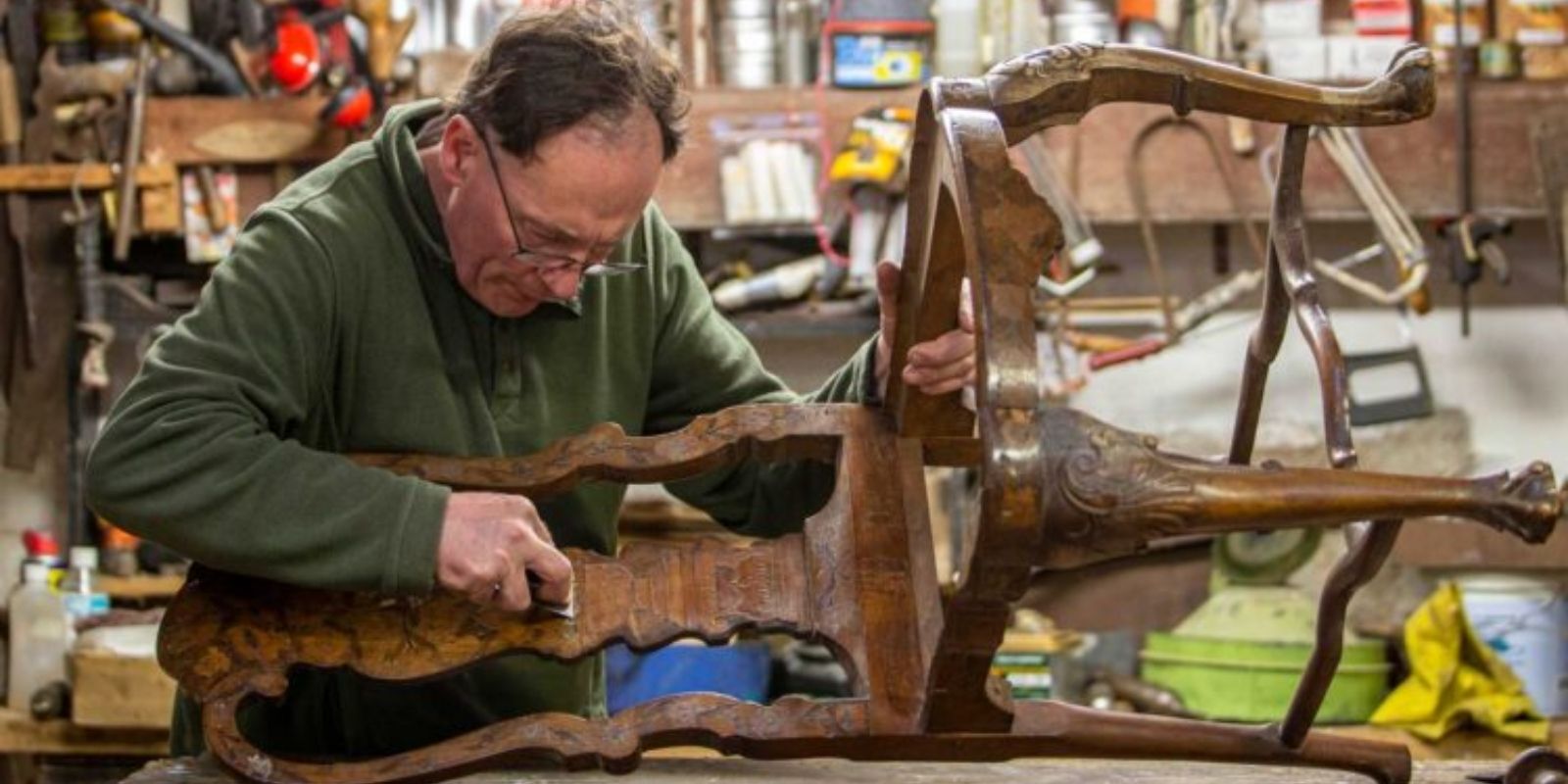
Wood furniture, especially of the antique variety, has an unparalleled beauty and lasting value. Wood is an amazing material because it responds to its environment. That is why it is so important to know how to care for your valuable antique furniture so that it can be enjoyed for many years to come. Whether you have a set of antique oak sideboards or an old secretary desk that has been handed down in your family, you need to know what professional restorers do to protect their furniture.
1. Avoid Fluctuating Humidity Levels
The number one enemy of wood furniture is humidity. Changes in moisture levels wreak havoc on the wood, causing it to shrink, expand, warp, crack, and split. The higher the humidity percentage, the more swollen the wood tends to become, which leads to stuck drawers and doors as well as mold growth. Low humidity makes the wood brittle and prone to deep cracks.
A good indoor temperature for any room with antique furniture is between 65 and 72 degrees Fahrenheit (18–22°C). The ideal level of humidity for preserving wood furniture is between 45 and 55 percent. Make sure to keep your antiques away from any heating vents, fireplaces, space heaters, or radiators. Running a humidifier during the cold winter months can help prevent dry air from damaging your antique furniture.
2. Keep Furniture Away from Sunlight
Sunlight exposure damages antique furniture by fading its beautiful colors, drying out the finish, and yellowing clear coat varnishes. To avoid irreversible damage, always make sure to place your furniture in a well-lit area that is not exposed to direct sunlight.
If this is not possible, UV-blocking window films and sheer curtains can help reduce glare and the harmful effects of the sun.
3. Practice Proper Lifting and Moving Techniques
More furniture is damaged during moving than you might think. When you push or pull your heavy antique along the floor, you create lateral pressure on the furniture’s feet and lower part of the front apron. This can cause serious damage to delicate legs.
Proper Lifting Rule: Always lift heavy antiques by the lowest part of the front apron—never by the top front panel, drop-carved panels, or legs.
Before moving a heavy piece:
- Remove all drawers, glass doors, and shelves to lighten the load.
- Close and secure any remaining doors so they cannot swing open during the move.
- Always ask for help when lifting heavy furniture, working with at least one other person.
4. Use Paste Wax to Keep Furniture in Good Condition
Silicone sprays and liquid polishes advertised to give a quick shine usually contain silicones, which can permanently bond to clear coat finishes over bare wood. This means you will not be able to refinish your antique later on.
Use a top-quality paste wax instead to protect and nourish the antique furniture finish. Apply a thin layer of paste wax containing natural carnauba or beeswax every 12 to 18 months.
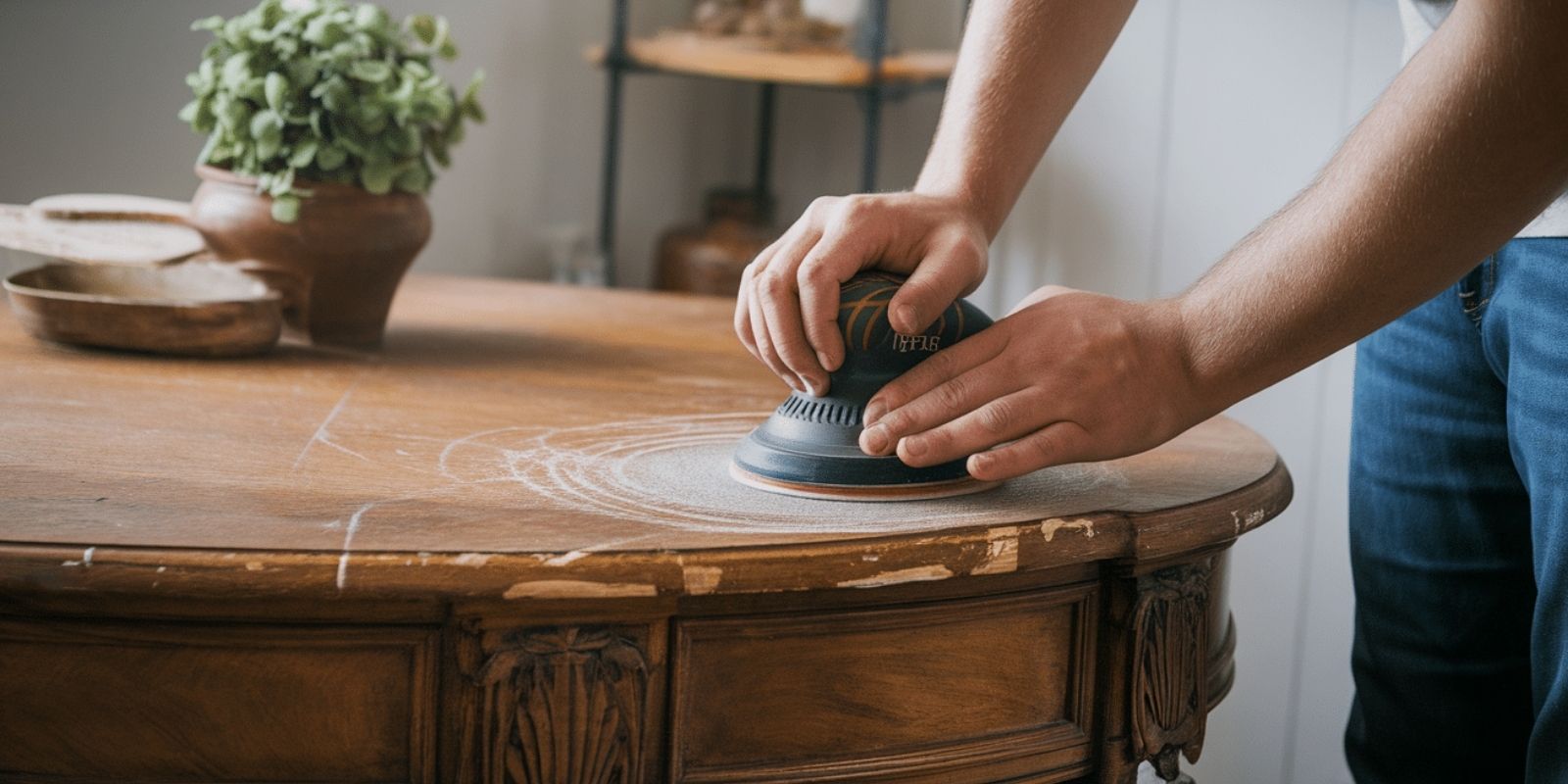
5. Wax Furniture the Right Way
The right waxing technique will help you achieve optimal protection and an attractive shine without leaving any white hazy spots on your furniture.
1.1. Clean Your Furniture:Preparation.
Use a lint-free microfiber duster to get rid of any surface dust that might scratch the finish of your antique furniture during the waxing process.
2.2. Apply Wax with Gentle Strokes:Application.
Take a small amount of paste wax and put it on a folded piece of cotton fabric. Buff the surface of your furniture with soft circular motions until you have covered it entirely with a thin layer of wax.
3.3. Dry and Buff the Finish:Buffing.
Wait 15 to 20 minutes for the wax to dry until it starts to turn cloudy. Using a clean microfiber duster, follow the direction of the wood grain and gently buff the surface of your antique furniture until it shines.
6. Check the Furniture for Insect Damage
Insect damage is one of the most common reasons antique furniture needs restoration. There are several different types of wood-boring insects—such as powderpost beetles and woodworms—that can cause serious damage to your antique furniture. In most cases, insects infest furniture through tiny cracks in raw wood.
Check the backs and legs of your antiques and any other unvarnished surface for telltale signs of insect damage, such as:
- Tiny round holes no bigger than a pinhead.
- Spongy areas of wood along the bottom rails.
- Flour-like dust (frass) in and around the furniture crevices.
If you discover signs of an infestation, move your furniture to another room immediately to prevent the insects from spreading to your other antiques, and call a professional conservator.
7. Prevent Moisture Rings and Heat Blushes
Avoid leaving cold beverages on the surface of your furniture, as prolonged exposure to cold temperatures will damage shellac and spirit varnishes, leaving unsightly white moisture rings. Similarly, make sure to avoid placing hot cups of tea or coffee directly on your furniture, as they will leave heat blushes.
Always use felt coasters for cold drinks and trivets for hot cups or dinner plates. Never use rubber or plastic coasters because the plasticizers in them can permanently discolor spirit varnishes and shellac. Instead, use coasters and trivets made from felt, cork, and natural fibers.
8. Preserve Original Hardware Finishes
Original antique hardware finishes—such as those made from brass, bronze, or iron—play an important role in preserving an antique piece’s authenticity. Avoid using aggressive metal cleaners or polishes on your antiques, as they remove the dark patina that covers the crevices of original hardware. Polish only enough to remove oxidized areas that prevent you from seeing the original color of the metal.
Furthermore, the harsh chemicals in commercial metal polish remove wood finish from keyhole escutcheons, hinges, and drawer pulls, leaving dark chemical stains in their place. Clean metal hardware gently using a dry brush or a slightly damp cloth.
9. Fix Furniture Damage Immediately
As soon as you notice a loose joint, sagging hinge, or lifting veneer, bring in an expert restorer right away before minor damage leads to major failure.
Never try to fix veneer blisters or loose joints with common wood glues available at your local hardware store. Modern glues such as PVA (white or yellow carpenter’s glue), polyurethane, and cyanoacrylate (superglue) are too permanent and cannot be reversed without destroying original wood fibers. Professional restorers use animal hide glue, which is completely reversible and will not permanently alter the wood grain.
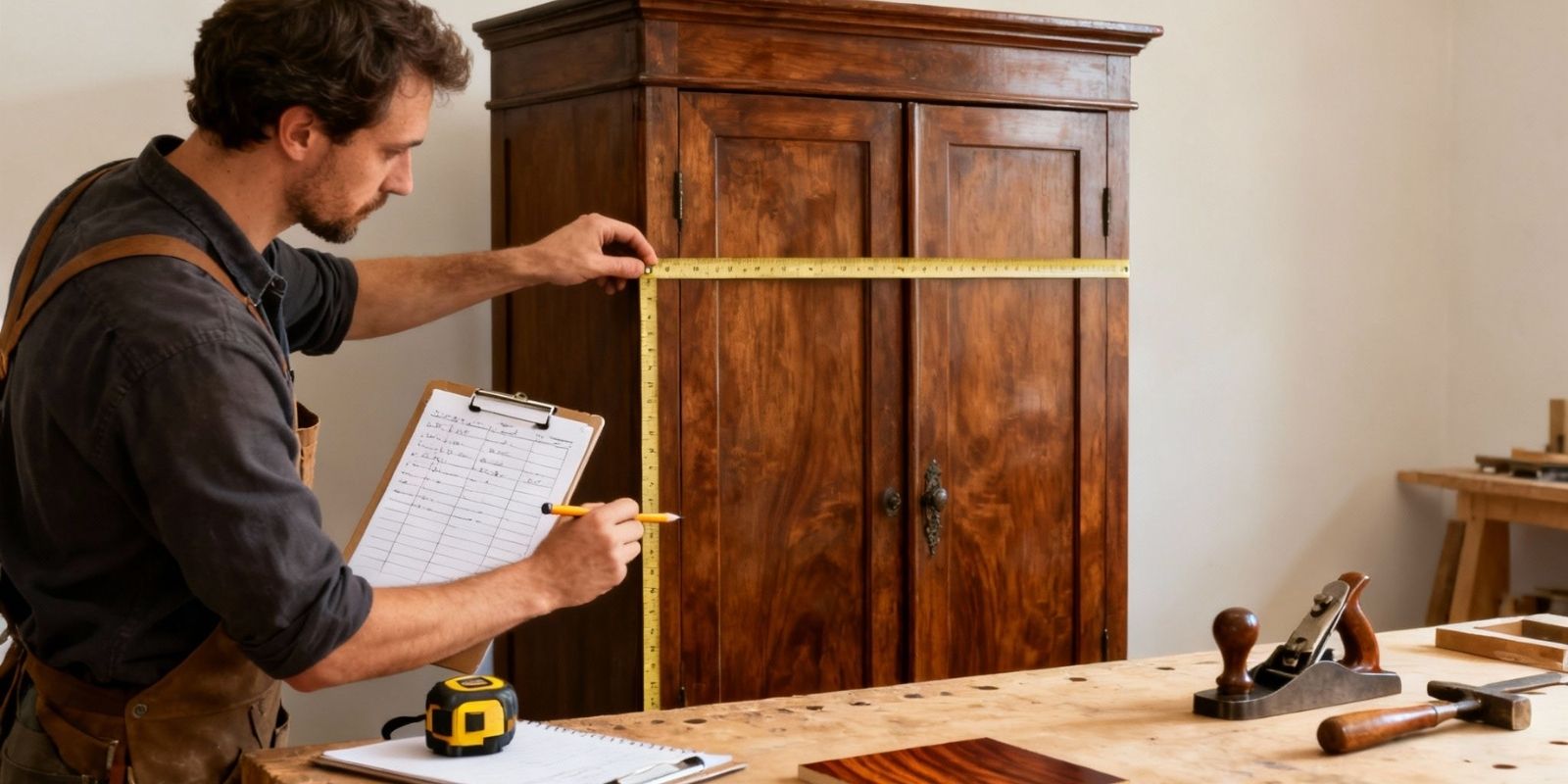
10. Call a Professional Furniture Conservator
Dusting and waxing your antiques are simple maintenance tasks that anyone can perform. However, any structural repairs, veneering, or finish restoration should be left to professionals.
Ask around and find a reputable furniture conservator who follows a professional code of ethics when working with antiques. Trustworthy conservators believe in conservation over replacement and follow the most established, non-invasive methods for restoring your antiques. Make sure the conservator you hire always uses reversible methods and the mildest treatments possible.
Summary of Care Guidelines
- Daily Cleaning: Use only dry microfiber dusters. Avoid silicone oil sprays, lemon oil, and wet rags.
- Humidity Control: Keep indoor relative humidity steadily between 45% and 55% (especially during the winter) and temperatures between 65°F and 72°F.
- Caretaking & Protection: Always use natural felt coasters and avoid plastic covers. Use traditional animal hide glue for repairs, avoiding modern PVA and superglues.
- Environmental Safety: Keep furniture away from direct sunlight, and inspect unvarnished surfaces twice a year for signs of insect damage.